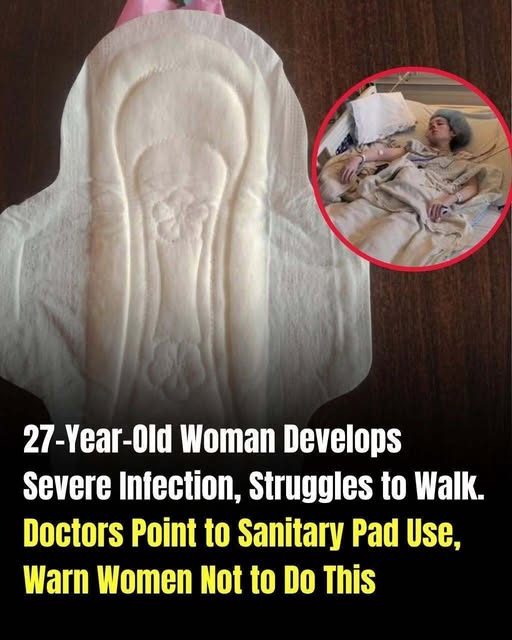
Stories about severe infections linked to poor menstrual hygiene occasionally make headlines, raising concerns among women worldwide. While serious infections are relatively uncommon, healthcare professionals agree that proper menstrual hygiene is essential for maintaining good health and preventing unnecessary discomfort.
Many women wonder whether wearing a sanitary pad for too long can lead to infections. The answer is simple: prolonged use of a pad can create a warm and moist environment that encourages bacterial growth, increasing the risk of irritation, unpleasant odors, and, in some cases, infections.
Fortunately, most menstrual hygiene-related problems can be prevented through simple daily habits and proper care.
What Happens When You Wear a Pad for Too Long?
One of the most common menstrual hygiene mistakes is not changing sanitary pads frequently enough.
Health experts recommend changing a sanitary pad every 4 to 6 hours, depending on menstrual flow. When a pad is worn for extended periods, moisture and bacteria can accumulate, potentially leading to skin irritation, itching, rashes, and unpleasant odors.
Although serious infections are rare, maintaining proper hygiene significantly reduces the risk of complications.
Common Menstrual Hygiene Mistakes Women Should Avoid
1. Wearing a Pad for Too Long
Leaving a sanitary pad on for too many hours can create ideal conditions for bacterial growth. Regular changes help maintain cleanliness and comfort throughout the day.
2. Choosing Low-Quality Menstrual Products
Not all menstrual products offer the same level of quality and protection. Products from trusted manufacturers are generally designed with safety and comfort in mind, reducing the likelihood of irritation.
3. Poor Hand Hygiene
Many women underestimate the importance of washing their hands before and after changing a sanitary pad. Proper hand hygiene helps prevent bacteria from spreading to sensitive areas.
4. Wearing Tight, Non-Breathable Clothing
Tight clothing can trap heat and moisture, making the intimate area less comfortable and potentially encouraging bacterial growth. Cotton underwear and breathable fabrics are often recommended.
Warning Signs You Should Never Ignore
Your body often provides early signs when something may be wrong. Pay attention to symptoms such as:
- Persistent itching
- Redness or swelling
- Unusual irritation
- Strong or unpleasant odors
- Abnormal discharge
- Pain or discomfort that worsens over time
While these symptoms do not always indicate a serious infection, consulting a healthcare professional is recommended if they persist or become severe.
Simple Menstrual Hygiene Tips to Prevent Infections
Maintaining good menstrual hygiene is easier than many people think. These simple habits can help reduce the risk of irritation and infection:
- Change sanitary pads every 4–6 hours.
- Wash your hands before and after every pad change.
- Use trusted and high-quality menstrual products.
- Wear breathable cotton underwear.
- Stay hydrated and maintain overall personal hygiene.
- Monitor any unusual symptoms and seek medical advice when necessary.
These small steps can make a significant difference in protecting women’s health during menstruation.
Are Sanitary Pads Safe?
Sanitary pads are generally safe when used correctly. Sensational stories can sometimes create unnecessary fear, but medical experts emphasize that proper usage and hygiene practices are the key factors in preventing problems.
Rather than worrying about rare cases, women should focus on evidence-based health advice and consistent hygiene habits.
The Bottom Line
Menstrual health is an important part of overall well-being. By changing sanitary pads regularly, choosing quality products, practicing good hygiene, and paying attention to your body’s warning signs, you can greatly reduce the risk of irritation and infection.
Awareness—not fear—is the best approach. Simple menstrual hygiene habits can help women stay healthy, comfortable, and confident throughout every stage of their menstrual cycle.