Cancer is one of the most heartbreaking diseases a family can face. It affects not only the person diagnosed but also parents, siblings, grandparents, and friends who must watch a loved one go through treatment and uncertainty. While cancer is often associated with adults, it can also affect children of all ages, from infants and toddlers to teenagers.
Stories of children battling cancer remind us how devastating the disease can be. Many loving parents do everything they can to provide a healthy lifestyle for their children, yet cancer can still occur. In many cases, genetics, random mutations, and factors beyond anyone’s control play a role.
Although there is no guaranteed way to prevent cancer, medical experts agree that certain lifestyle choices can help reduce risk over time. Because children’s bodies are still developing, they may be more sensitive to some environmental exposures, chemicals, and dietary habits. For that reason, many doctors encourage parents to be mindful of the foods and products they use every day.
Here are five things health experts commonly recommend limiting or avoiding whenever possible.
1. Processed Meats
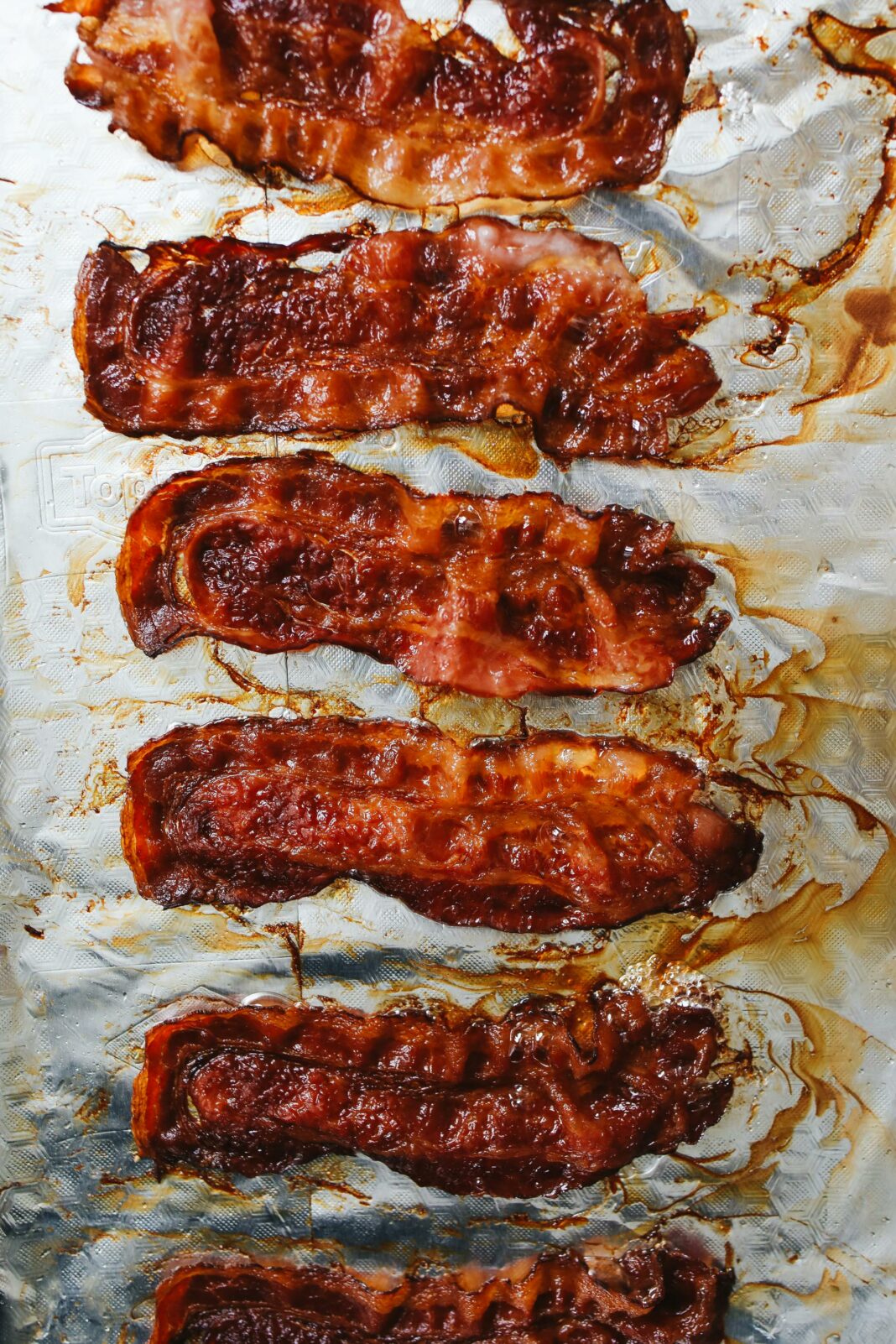
Foods such as hot dogs, bacon, sausages, ham, salami, and other processed meats are popular with many children. However, numerous studies have linked high consumption of processed meats to an increased risk of certain cancers, particularly colorectal cancer.
Processed meats often contain preservatives known as nitrates and nitrites. During digestion, these substances can form compounds that may damage cells and increase cancer risk over time. While enjoying these foods occasionally is unlikely to be harmful, making them a regular part of a child’s diet may not be the healthiest choice.
Healthier alternatives include:

- Fresh chicken or turkey
- Lean cuts of beef
- Fish
- Eggs
- Beans and legumes
- Plant-based protein options
A diet rich in whole foods can provide important nutrients while reducing exposure to potentially harmful additives.
2. Sugary Drinks
Many children consume large amounts of soda, sports drinks, energy drinks, and sweetened fruit beverages. These drinks often contain significant amounts of added sugar and very little nutritional value.
Excess sugar consumption can contribute to:
- Childhood obesity
- Type 2 diabetes
- Tooth decay
- Long-term metabolic problems

Obesity itself is associated with an increased risk of several types of cancer later in life. While sugar does not directly cause cancer, maintaining a healthy weight is one of the most important steps for long-term health.
Parents can encourage healthier beverage choices such as:
- Water
- Milk
- Unsweetened beverages
- Fruit-infused water
- Smoothies made from whole fruits
Teaching children healthy drinking habits early in life can benefit them for years to come.
3. Plastic Containers Used for Food and Drinks
Many plastic food containers and bottles contain chemicals that can migrate into food, especially when exposed to heat. One of the most discussed chemicals is Bisphenol A (BPA), which has been studied for its potential effects on hormones and human health.
Although many products are now labeled “BPA-free,” some replacement chemicals may have similar properties. For this reason, many experts recommend minimizing unnecessary exposure to plastics whenever practical.
Simple precautions include:

- Using glass or stainless-steel bottles
- Storing food in glass containers
- Avoiding microwaving food in plastic containers
- Replacing old or damaged plastic items
While research continues in this area, reducing exposure to potentially harmful chemicals is a precaution many families choose to take.
4. Heavily Fried or Burnt Foods
Cooking methods can affect the compounds that form in food. When foods are fried at very high temperatures or become heavily charred, chemicals such as acrylamide and heterocyclic amines (HCAs) can develop.
Laboratory studies have shown that high levels of these compounds may damage DNA and increase cancer risk. Although occasional consumption is unlikely to be dangerous, experts generally recommend avoiding heavily burnt foods whenever possible.
Healthier cooking methods include:
- Steaming
- Boiling
- Baking
- Roasting
- Light grilling without excessive charring
Preparing food in these ways can help maintain nutritional value while reducing exposure to potentially harmful compounds.
5. Talc-Based Powders and Products Containing Formaldehyde-Releasing Ingredients
Some concerns have been raised over the years about talc-based powders and certain personal care products. Historically, some talc products were found to contain traces of asbestos, a known carcinogen. Modern regulations have improved safety standards, but many parents still prefer talc-free alternatives.
Additionally, some shampoos, lotions, and wipes may contain preservatives that release small amounts of formaldehyde. Formaldehyde is classified as a human carcinogen under certain exposure conditions.
When choosing products for children, parents may consider:

- Talc-free baby powders
- Fragrance-free products
- Products with simple ingredient lists
- Brands that clearly disclose ingredients
Reading labels carefully can help parents make informed choices about the products they bring into their homes.
The Bigger Picture
It is important to remember that cancer is a complex disease. No single food, drink, or product guarantees that a child will or will not develop cancer. Genetics, environmental factors, lifestyle habits, and chance all play a role.
However, encouraging healthy habits from an early age can support a child’s overall well-being and may help reduce certain health risks throughout life. Small daily choices—such as eating more whole foods, drinking water instead of sugary beverages, avoiding unnecessary chemical exposures, and choosing healthier cooking methods—can contribute to a healthier future.
While no parent can eliminate every risk, making informed decisions is one of the most powerful ways to support a child’s long-term health and development.